
Yes, fire permits are required for all open air burning in Neebing from April 1 to October 31 commonly known as the ‘fire season.' The permit portal is only available during the fire season of April 1 to October 31 when permits are being issued.
Fire safety is everyone's responsibility. All households should have working smoke alarms and carbon monoxide alarms. You should also set a home escape plan. More details can be found on the Ontario Association of Fire Chiefs (OAFC) website.
Smoke detectors
Most fatal fires occur at night when people are sleeping. A working smoke alarm will detect smoke and sound the alert to wake you. Effective March 1, 2006, it is the law for all Ontario homes to have a working smoke alarm on every storey and outside of all sleeping areas.
Carbon monoxide alarms
New Safety Requirements Starting January 1, 2026
Carbon monoxide (CO) is an invisible, odourless, and deadly gas. Keeping your family safe
means ensuring you have working CO alarms properly installed in your home. New requirements came into effect on January 1, 2026, that expand where CO alarms must be placed in existing homes.
Where Do the New Requirements Apply?
The updated requirements apply to all existing detached or semi-detached houses, cottages and townhouses that have any of the following:
-A fuel-burning appliance (like a furnace, water heater, or stove that uses natural gas, propane, oil, or wood).
-A fireplace.
-An attached garage.
-Air for heating that comes from a fuel-burning appliance not contained within the home (e.g., an appliance in a utility shed).
Where Must CO Alarms Be Installed?
If your home meets any of the conditions above, you must install a CO alarm in these two locations:
-Adjacent to each sleeping area (near all bedrooms).
-On every storey (floor) of your home, including storeys that do not have a sleeping area.
Who is Responsible for Compliance?
In Owner-Occupied homes, the Homeowner is responsible for complying with the CO alarm requirements in the Fire Code. In Rental Homes, the Landlord is responsible for complying with the CO alarm
requirements in the Fire Code.
Emergency escape plans
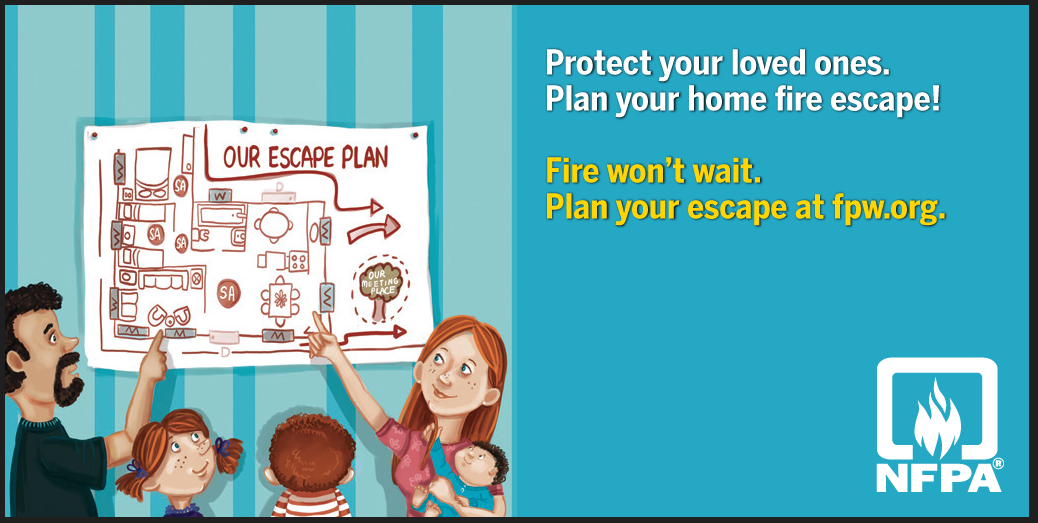
When a fire occurs, there is no time to waste. That is why it is so important to sit down with your family and make a step by step plan for escaping from a fire. Read the 'Family Action Plan' and be prepared!
Frequently asked questions
Do I need a permit to have a fire in my backyard?
Do I need a permit to set off fireworks on my own property?
Yes. Special fireworks permits are required. These permits are issued by the Fire Chief after inspection of the site. Contact the Fire Chief for information.
Do you inspect wood stoves? Who can I contact to inspect my wood stove?
The Fire Chief can do an inspection of your wood stove for safety reasons but, you may require a licensed WETT certified inspector to perform an inspection for insurance purposes. Contact your insurance company for information.
Where can I find more information on fire safety and public education?
Visit the Ontario Association of Fire Chiefs to learn more fire safety tips
Contact Us
Municipality of Neebing
4766 Highway 61
Neebing, ON P7L 0B5
Phone: 807-474-5331
Fax: 807-474-5332
Office Hours:
Mon - Fri 9:00 am - 5:00 pm
Closed Statutory Holidays